
Sorry, nothing in cart.
Blog

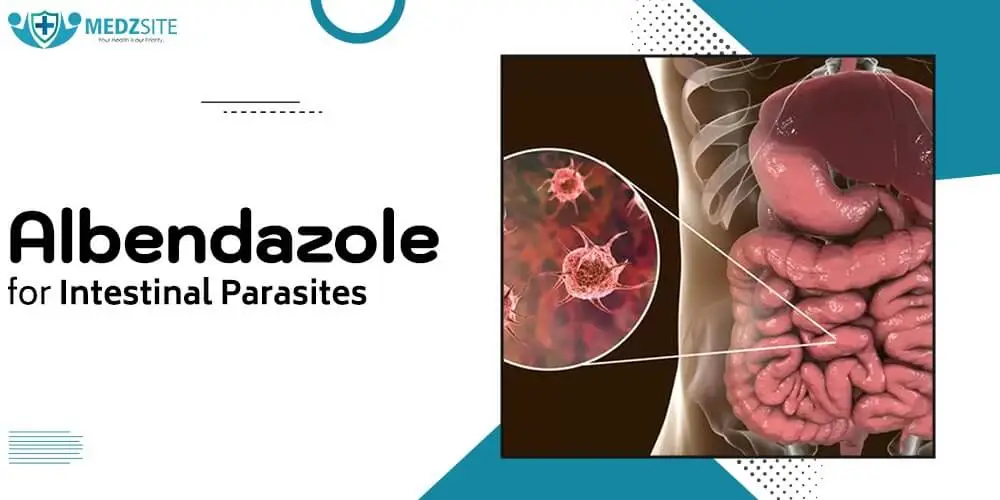
If you’re looking for reliable treatment options for intestinal parasites, albendazole therapy for intestinal parasites is often recommended by healthcare professionals in the United Kingdom and across the world. Albendazole is an anthelmintic medication widely used to effectively manage and treat infections caused by various intestinal worms, including roundworms, hookworms, and whipworms.
Intestinal parasitic infections can affect anyone, and while they might seem to be a problem confined to certain regions, cases are reported worldwide. It affects the digestive system, causing symptoms that range from mild discomfort to more serious complications if left untreated. That’s where albendazole comes in as a key player.
What Are Intestinal Parasites?
Intestinal parasites are organisms that live in the gastrointestinal tract, feeding off the nutrients in your digestive system. You might not always realise you’ve contracted parasites, as symptoms can be subtle or resemble other digestive issues. Common parasites include the following:
- Ascaris lumbricoides (roundworm)
- Ancylostoma duodenale and Necator americanus (hookworm)
- Trichuris trichiura (whipworm)
- Giardia lamblia (protozoan parasite)
These parasites can enter your body through contaminated food, water, or contact with infected soil. Good hygiene and sanitation practices help reduce the risk, but treatment often becomes necessary when an infection occurs.
How Does Albendazole Work?
Albendazole is an effective treatment option because it targets a broad range of parasitic worms. It works by disrupting the parasites’ ability to absorb glucose, essentially starving them of the energy they need to survive. This process eventually leads to the death of the parasites, which are then expelled from the body naturally.
Unlike some other medications, albendazole 400mg treatment for intestinal parasites typically involves a short course of therapy, usually lasting one to three days, depending on the type of infection. This makes it a convenient and practical solution for both patients and health providers.
When Is Albendazole Prescribed?
Doctors recommend albendazole when there is confirmed or suspected infection with intestinal worms. It is useful in cases of:
- Ascariasis (roundworm infection)
- Hookworm infections
- Trichuriasis (whipworm infection)
- Giardiasis in certain circumstances, although other treatments might be preferred
- Other less common worm infestations, as determined by your healthcare provider
Albendazole is sometimes prescribed as part of mass deworming programs in endemic regions, recognising its safety and efficacy.
How to Take Albendazole for Intestinal Parasites
Albendazole is available in tablet form, and doses depend on the specific type of parasitic infection. It’s important to follow your healthcare provider’s instructions exactly. Usually, the medication is taken with a meal to improve absorption.
If prescribed for a single dose, make sure you don’t miss it. In cases requiring multiple doses, keep track of the schedule to ensure the treatment’s success. Remember, stopping the medication early can lead to incomplete eradication of the parasites.
Possible Side Effects of Albendazole
Albendazole is generally well-tolerated, but like all medications, it can cause some side effects. Most are mild and temporary. Common side effects include:
- Headache
- Dizziness
- Abdominal pain or discomfort
- Nausea or vomiting
- Temporary hair loss in rare cases
If you experience severe allergic reactions, persistent abdominal pain, or unusual symptoms, contact your doctor immediately. It’s also advisable to inform your healthcare provider about any existing liver conditions or other medications you’re taking.
Important Considerations When Using Albendazole
Albendazole intestinal parasites treatment is effective but requires responsible use. Here are some essential points to consider:
- Consult a Healthcare Professional: Always seek advice before starting treatment to confirm diagnosis and appropriate dosage.
- Pregnancy and Breastfeeding: Albendazole is not generally recommended for pregnant women unless prescribed by a doctor due to limited safety data.
- Follow-up: Sometimes, follow-up stool tests might be needed to ensure the infection has cleared.
- Avoid Self-Medicating: Using albendazole without medical advice might not address the correct parasite type or dosage needed.
Albendazole in the United Kingdom Context
In the UK, albendazole is available through prescriptions and is part of the standard toolkit for treating intestinal parasites. While parasitic infections are less common compared to some other parts of the world, travellers returning from endemic regions or people living in vulnerable conditions might require this treatment. The NHS provides guidance and support for those diagnosed with parasitic infections, ensuring access to effective medications like Aldol 400.
Preventing Intestinal Parasite Infections
Prevention remains the best strategy against intestinal parasites. Some practical tips include:
- Wash hands thoroughly with soap before eating and after using the toilet.
- Drink clean, boiled, or filtered water.
- Cook food thoroughly and avoid raw or undercooked meats.
- Maintain good sanitation and hygiene in living environments.
- Use protective footwear in areas where soil contamination is common.
Taking these precautions, combined with timely treatment such as albendazole intestinal parasites therapy when needed, can significantly reduce the impact of intestinal worms.
Conclusion
Albendazole remains a trusted and effective option for treating intestinal parasite infections. Its broad-spectrum activity and ease of use have made it a staple in both clinical and public health settings. While you might hope to avoid intestinal parasites altogether, should you need treatment, do consult your healthcare provider for proper diagnosis and guidance.
By following medical advice, practising good hygiene, and staying informed, you can manage and prevent intestinal parasitic infections effectively. Albendazole intestinal parasite treatment is a valuable ally in maintaining digestive health and overall well-being.
Remember, if you suspect you have an intestinal parasitic infection or experience related symptoms, don’t hesitate to seek medical advice promptly.