
Sorry, nothing in cart.
Blog

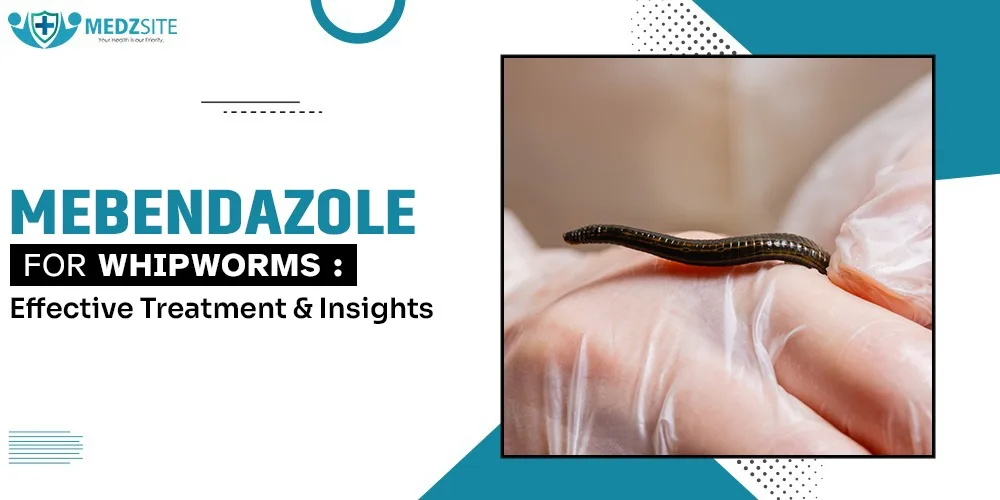
Understanding Whipworm Infections
Whipworm infections are caused by a type of intestinal parasite called Trichuris trichiura. These parasites primarily affect the large intestine and can cause a range of gastrointestinal symptoms in humans. It’s important to understand that while whipworm infections are more common in tropical and subtropical regions, they can still occur in the United Kingdom under certain conditions.
The symptoms of whipworm infections vary from mild to severe, depending on the level of infestation and the individual’s health. Common signs include abdominal pain, diarrhoea, and in some cases, anaemia due to blood loss. When untreated, these infections can cause significant discomfort and complications, particularly in children.
How Mebendazole Works Against Whipworms
Mebendazole for whipworms is a widely used medication that effectively combats these parasitic infections. Part of a class of drugs known as benzimidazoles, mebendazole works by inhibiting the ability of the worms to absorb glucose, which is essential for their survival. As the worms are starved of nutrients, they gradually die off and are expelled from the body naturally.
One of the advantages of mebendazole is its broad spectrum of activity against various intestinal parasites, but it is particularly effective for whipworm infections. Taking mebendazole as prescribed ensures that the treatment targets the worms efficiently, reducing the risk of persistent infection or re-infestation.
Administration and Dosage
The standard course for treating whipworm typically involves mebendazole taken orally, usually as a 100 mg dose twice daily for three days. However, the exact dosage may vary based on the patient’s age and medical condition, so consultation with a healthcare professional is essential before starting treatment.
It is also worth noting that mebendazole is often prescribed as a single-dose treatment for mass deworming programs, but more extended courses might be necessary depending on the severity of the infection.
Safety and Side Effects
Generally, mebendazole is considered safe when used appropriately. Side effects tend to be mild and temporary. Some patients might experience:
- Abdominal discomfort or pain
- Diarrhoea
- Dizziness or headache
- Occasional nausea
Severe reactions are rare but if you notice any allergic symptoms like rash, swelling, or difficulty breathing, seek medical attention promptly. It’s also important to mention any other medications you are taking to your healthcare provider to avoid possible drug interactions.
Usage During Pregnancy and Children
Pregnant women should avoid mebendazole unless specifically advised by their doctor. The safety profile of mebendazole for children under two years old is also not firmly established, so it is crucial to get professional advice for these populations.
Preventing Whipworm Infections
While treating whipworm infections effectively requires medication like mebendazole, prevention plays an equally vital role. Whipworms spread through contaminated food, water, or soil containing parasite eggs, so maintaining good hygiene is essential.
- Wash hands thoroughly before meals and after using the toilet.
- Ensure fruits and vegetables are washed properly.
- Drink safe, clean water.
- Avoid walking barefoot in areas where sanitation is poor.
These simple steps can significantly reduce the risk of contracting whipworm infections, particularly in settings where parasitic infections might be more common.
Consulting Healthcare Professionals in the UK
If you suspect you or a family member might have a whipworm infection, seeking timely medical advice is always the best course of action. In the United Kingdom, the NHS offers diagnostic and treatment services that include safe and effective use of drugs like mebendazole for whipworms.
You can usually get mebendazole prescribed by your GP once the infection is confirmed. Self-medicating is not recommended since an accurate diagnosis helps ensure that the right treatment is given, and other possible causes of symptoms are ruled out.
Follow-Up and Monitoring
After completing treatment, follow-up consultations may be necessary to confirm the infection has resolved. In some cases, repeat doses might be recommended, especially if symptoms persist or if reinfection occurs.
Remember, early diagnosis and adherence to treatment guidelines improve outcomes significantly and reduce the likelihood of complications.
Why Choose Mebendazole for Whipworms?
There are several reasons why mebendazole is recommended for treating whipworm infections. It has been extensively studied and found to be both effective and relatively low in side effects compared to other anthelmintics. Its ease of administration and well-established dosing protocols make it a preferred choice for healthcare providers across the UK.
Plus, its availability and affordability make it accessible for many patients. That said, always ensure that you receive mebendazole through proper medical channels to guarantee safety and authenticity.
Summary
Whipworm infections can be uncomfortable and potentially harmful if left untreated, but with effective medications like mebendazole, recovery is well within reach. Using mebendazole for whipworms offers a trusted solution that, combined with good hygiene practices, can help manage and prevent these infections efficiently.
If you experience symptoms indicative of a whipworm infection, don’t hesitate to contact a healthcare professional. Early intervention with the right treatment, including mebendazole, ensures a swift return to health and wellbeing.