
Sorry, nothing in cart.
Blog

Introduction
When it comes to treating parasitic infections, two names often come up in discussions within medical circles: mebendazole vs ivermectin. Both drugs are widely used antiparasitic medications, but they have distinct applications, mechanisms, and efficacy profiles. Understanding the differences between these drugs is crucial, especially for healthcare providers and patients in the United Kingdom seeking effective treatment options.
What is Mebendazole?
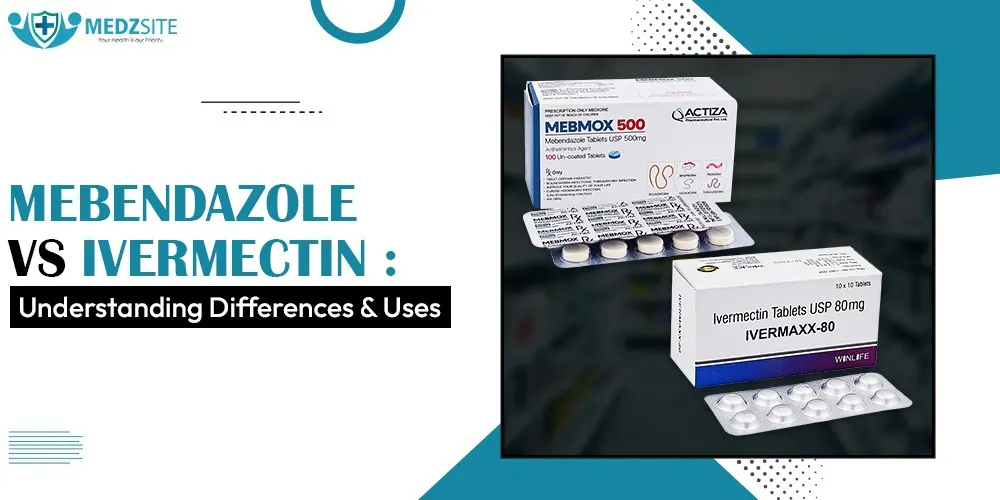
Mebendazole 500 Mg is an anthelmintic medication primarily prescribed for the treatment of helminthic infections. This drug works by inhibiting the glucose uptake of parasitic worms, which eventually leads to the worms’ death. Mebendazole is commonly used to treat infections caused by roundworms, whipworms, hookworms, and pinworms.
Primary Uses of Mebendazole
- Ascariasis (roundworm infection)
- Enterobiasis (pinworm infection)
- Trichuriasis (whipworm infection)
- Hookworm infections
Dosage and Administration
Mebendazole is generally administered orally, often as a single dose or over several days, depending on the infection type. It’s important to follow the prescribing doctor’s instructions carefully and complete the full course to ensure the infection is fully cleared.
What is Ivermectin?
Ivermectin 80 mg is another antiparasitic medication with a broader spectrum, originally developed for veterinary use before becoming a vital tool in human medicine. It works by binding selectively to glutamate-gated chloride ion channels in parasites, leading to paralysis and death of the worms.
Primary Uses of Ivermectin
- Strongyloidiasis
- Onchocerciasis (river blindness)
- Scabies and lice infestations
- Other parasitic infections as prescribed by specialists
Dosage and Administration
Ivermectin is typically provided as a single dose or a short course depending on the infection. Dosing is weight-based and should always be calculated carefully to avoid side effects. It is taken orally and can sometimes be combined with other treatments for enhanced efficacy.
Comparing Mebendazole vs Ivermectin
So, how do mebendazole and ivermectin compare? Both are highly effective antiparasitics, but their uses and modes of action differ, making them suitable for distinct types of infections.
Spectrum of Activity
Mebendazole primarily targets gastrointestinal worms like pinworms and roundworms. It is less effective against some parasites that ivermectin can tackle. Ivermectin, by contrast, covers a wider range, including skin and systemic parasites not affected by mebendazole.
Mechanism of Action
- Mebendazole: Blocks glucose uptake in worms, starving them of energy.
- Ivermectin: Causes paralysis by disrupting nerve and muscle function through chloride channels.
Safety and Side Effects
Both drugs are generally considered safe when used as directed. Mild side effects such as nausea, dizziness, or abdominal pain may occur. However, ivermectin should be used cautiously in certain populations, such as individuals with central nervous system conditions, under strict medical supervision.
Availability and Use in the UK
In the UK, mebendazole is readily available and is often the first choice for treating common intestinal worm infections. Ivermectin is more specialised and prescribed for specific parasitic diseases. Accessing ivermectin requires a healthcare professional’s assessment, ensuring appropriate diagnosis and treatment.
When to Choose Mebendazole or Ivermectin?
Choosing between mebendazole vs ivermectin depends largely on the infection type, severity, and patient factors. For typical intestinal worms such as pinworm, mebendazole remains the standard treatment. For more complex or different parasitic infections like onchocerciasis, ivermectin is the preferred option.
Consulting a healthcare professional is essential before starting either medication to guarantee the right diagnosis and avoid misuse of these drugs.
Conclusion
Understanding mebendazole vs ivermectin is important for effective management of parasitic infections, particularly in the UK where both drugs are commonly prescribed but for different conditions. Mebendazole is highly effective against common intestinal worms, whereas ivermectin offers broader coverage for other parasitic diseases.