
Sorry, nothing in cart.
Blog

Introduction
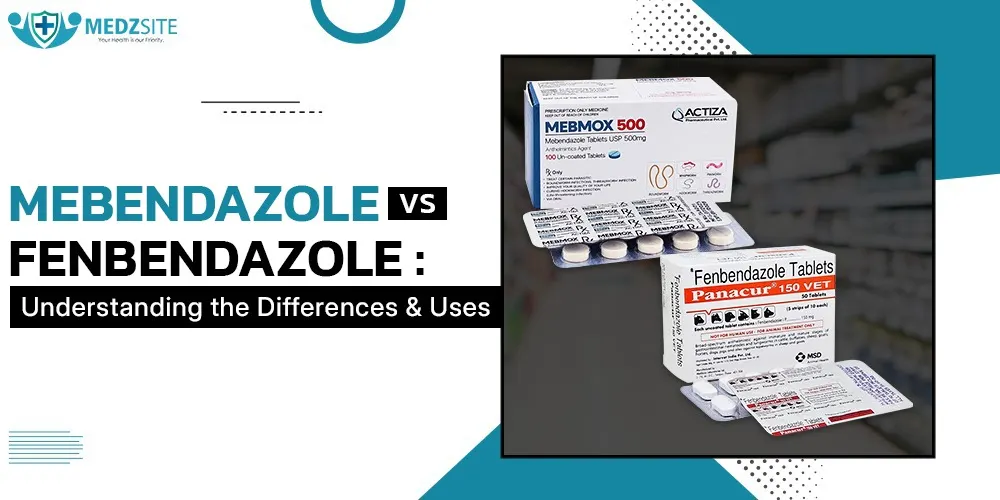
When it comes to treating parasitic worm infections, two medications that often come up are mebendazole and fenbendazole. Both drugs belong to the benzimidazole class of anthelmintics, which have been widely used to combat a broad range of parasitic worms. But if you are wondering about mebendazole vs fenbendazole, what sets these medications apart? Are they interchangeable? Which one should be preferred in specific situations? In this article, we will explore these questions in detail, providing clear and medically accurate information, especially relevant for those in the United Kingdom.
What are Mebendazole and Fenbendazole?
Mebendazole is a medication commonly prescribed to treat human intestinal worm infections, including pinworm, roundworm, whipworm, and hookworm. It works by inhibiting the worms’ ability to absorb glucose, ultimately causing their death.
Mechanism of Action
Both drugs belong to the benzimidazole group and act by binding to beta-tubulin of parasites, which disrupts microtubule formation. This action inhibits cell division and energy generation in the worms, leading to their death. Because of this mode of action, both medications have a broad spectrum of activity against various nematodes (roundworms) and some cestodes (tapeworms).
Key Differences in Mebendazole vs Fenbendazole
While mebendazole and fenbendazole share similarities in their chemical nature and mechanism, some differences are important to note.
- Approval and Usage: Mebendazole is approved and extensively used for human treatment worldwide, including in the UK. Fenbendazole is mostly licensed for veterinary use, with limited approval for human use.
- Formulations: Mebendazole is available in tablets, chewables, and liquid suspensions designed for humans. Fenbendazole formulations are mostly oral powders or pastes made for animals.
- Dosage Regimens: Mebendazole typical doses for intestinal worms in adults range from a single 100 mg dose to a three-day course of 100 mg twice daily, depending on the infection. Fenbendazole dosing protocols for humans are not standardised, and safety data is limited, so it should be used cautiously.
- Spectrum of Activity: Both target similar parasites, but fenbendazole has shown efficacy against some parasites less commonly affected by mebendazole, especially in veterinary cases.
Effectiveness and Safety Profiles
Both drugs have demonstrated good safety records when used appropriately. Mebendazole’s safety is well-documented in humans with minor side effects such as abdominal discomfort, diarrhoea, or allergic reactions occurring infrequently.
Fenbendazole, though less studied in humans, is considered relatively safe in animals. However, without extensive human trials, risks cannot be fully ruled out, making mebendazole the preferred option for human prescriptions in the UK.
Side Effects
- Mebendazole: Mild gastrointestinal upset, headache, dizziness, rash in rare cases.
- Fenbendazole: Limited data in humans; potential gastrointestinal disturbances and allergic reactions based on animal studies.
When to Use Each Medication?
If you have a confirmed worm infection, consulting a healthcare professional in the UK is essential. Mebendazole remains the first-line treatment for common intestinal worms. It is widely accessible through pharmacies and the NHS.
Fenbendazole’s use in humans is generally limited to experimental or compassionate contexts where traditional treatments have failed or are unavailable. Its veterinary focus means patients should not self-medicate with fenbendazole without medical supervision.
Resistance Concerns
Parasite resistance to anthelmintics is an ongoing concern globally. Though cases of resistance exist for both drugs in animals, resistance in human parasites to mebendazole remains relatively low but monitored. Using these drugs judiciously and completing prescribed courses helps reduce resistance development.
Availability and Cost in the UK
Mebendazole is a prescription or over-the-counter medication in the UK, available in most pharmacies at an affordable cost. Fenbendazole requires a veterinary prescription and is generally not stocked or approved for human use.
For individuals seeking treatment, mebendazole’s availability and proven efficacy make it the practical choice.
Summary: Mebendazole vs Fenbendazole
To wrap up, the mebendazole vs fenbendazole comparison highlights several points:
- Mebendazole is well-suited and licensed for human use against intestinal worms.
- Fenbendazole is primarily a veterinary anthelmintic with limited human data.
- Both have similar mechanisms but differ in formulation, approval, and dosage.
- Safety and side effect profiles favour mebendazole for people in the UK.
- Professional medical advice should guide treatment choices to ensure safety and efficacy.
Final Thoughts
Choosing between mebendazole and fenbendazole is not simply a matter of preference. It is about selecting a drug that is safe, effective, and supported by clinical evidence and regulatory approval for human treatment. In the UK, mebendazole remains the standard option for treating common parasitic worm infections.
As always, if you suspect a worm infestation or experience related symptoms, seek a healthcare professional’s guidance. Proper diagnosis and treatment tailored to your needs ensure the best outcomes. And while exploring medicines like fenbendazole can be tempting, remember that licensed and well-studied options are your safest bet.
Understanding mebendazole vs fenbendazole helps you make informed decisions about your health and treatment options. Stay informed, stay safe, and consult your doctor for personalised advice.