
Sorry, nothing in cart.
Blog

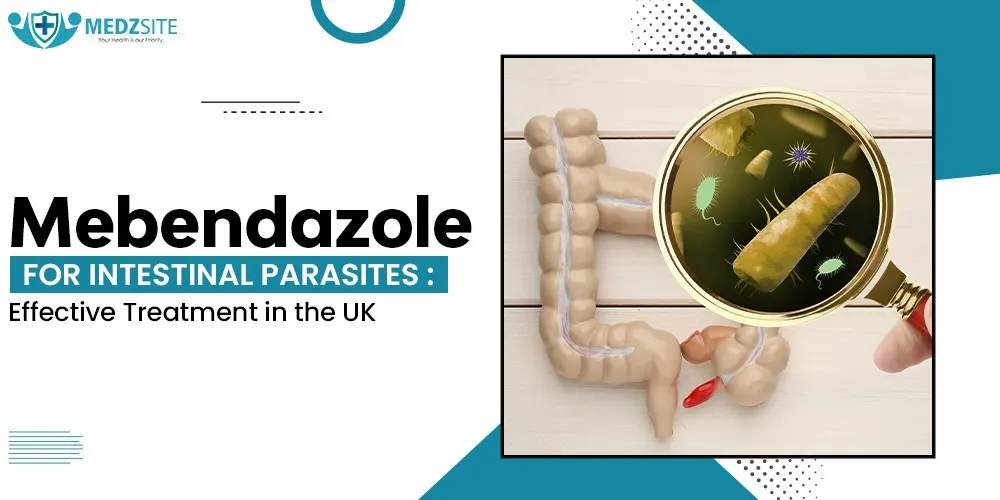
Understanding Mebendazole and Its Use for Intestinal Parasites
Intestinal parasites can be a troubling health concern for many people in the United Kingdom. One of the most trusted treatments available is mebendazole intestinal parasites medication. This drug has been widely used due to its effectiveness and relatively low side effects. In this article, we will explore how mebendazole works, why it is often recommended, and what patients in the UK should know when considering this treatment.
What Are Intestinal Parasites?
Intestinal parasites are organisms that live in the digestive system of humans and cause various unpleasant symptoms. These can range from mild discomforts like bloating and nausea to more serious conditions including weight loss and nutrient deficiencies. Parasites commonly found in the UK include pinworms, roundworms, and hookworms. Infection usually occurs through contaminated food, water, or contact with infected individuals.
Common Symptoms
- Abdominal pain or cramps
- Diarrhoea or constipation
- Fatigue and weakness
- Itching around the anus, especially at night
- Unexplained weight loss
Recognising these symptoms early is important for prompt treatment and preventing complications.
How Mebendazole Works Against Intestinal Parasites
Mebendazole is a medication specifically designed to target and eliminate intestinal parasites. It works by disrupting the parasite’s ability to use glucose, which is essential for its survival. Without glucose, the parasite’s energy supply is cut off, leading to its death and eventual removal from the body through natural digestive processes.
This makes mebendazole a highly effective treatment option for many types of parasitic infections. One advantage is that it tends to have minimal absorption in the bloodstream, which generally results in fewer systemic side effects.
Effectiveness
In clinical settings, mebendazole has been found to be highly effective against a broad spectrum of intestinal worms. While individual responses can vary, it remains a frontline treatment recommended by many UK healthcare providers.
Usage Guidelines in the UK
If you suspect you have an intestinal parasite infection, it’s crucial to consult with a healthcare professional before starting any treatment. In the UK, mebendazole is available both by prescription and over the counter, but proper diagnosis and dosage instructions should always be followed carefully.
Typically, treatment involves a short course of mebendazole tablets, often taken once or twice daily for three days. Your doctor may recommend a follow-up dose after a couple of weeks to ensure all parasites have been eliminated.
Who Should Avoid Mebendazole?
- Pregnant women should avoid mebendazole unless specifically advised by a healthcare provider.
- Individuals with known allergies to the drug.
- Children under two years old in most cases.
Discuss any existing medical conditions with your doctor before commencing treatment.
Side Effects and Precautions
Like all medications, mebendazole can cause side effects, although many people tolerate it well. Common side effects include:
- Stomach pain or discomfort
- Diarrhoea
- Nausea or vomiting
- Headache
These symptoms usually resolve shortly after completing the treatment. Still, it’s important to seek medical advice if side effects worsen or persist.
Additionally, if you experience symptoms such as rash, swelling, or difficulty breathing, these may indicate an allergic reaction requiring immediate medical attention.
Preventing Intestinal Parasite Infection
While mebendazole is effective in treatment, prevention remains the best approach. Simple hygiene measures can greatly reduce the risk of infection. These include:
- Washing hands thoroughly with soap and water, especially before eating and after using the toilet.
- Keeping fingernails trimmed and clean.
- Avoiding ingestion of contaminated food or water.
- Regularly washing bed linens and underwear.
- Ensuring children follow good hygiene practices.
Education and awareness are key, especially in households or communities where parasitic infections are more common.
When to See a Doctor
If you suspect an intestinal infection or are experiencing symptoms consistent with parasites, don’t hesitate to consult your GP. Early diagnosis and treatment with medications like mebendazole can make a significant difference in your recovery and overall health.
Also, tell your doctor if symptoms persist after treatment, as some infections may require alternative therapies or further investigation.
Final Thoughts
Mebendazole intestinal parasites treatment remains a trusted and effective approach for managing parasitic infections in the UK. By understanding how the medication works, following proper usage guidelines, and maintaining good hygiene, patients can protect themselves from these common but treatable infections.
If you have concerns or questions about intestinal parasites or mebendazole, your healthcare provider can offer tailored advice based on your individual health needs.