
Sorry, nothing in cart.
Blog

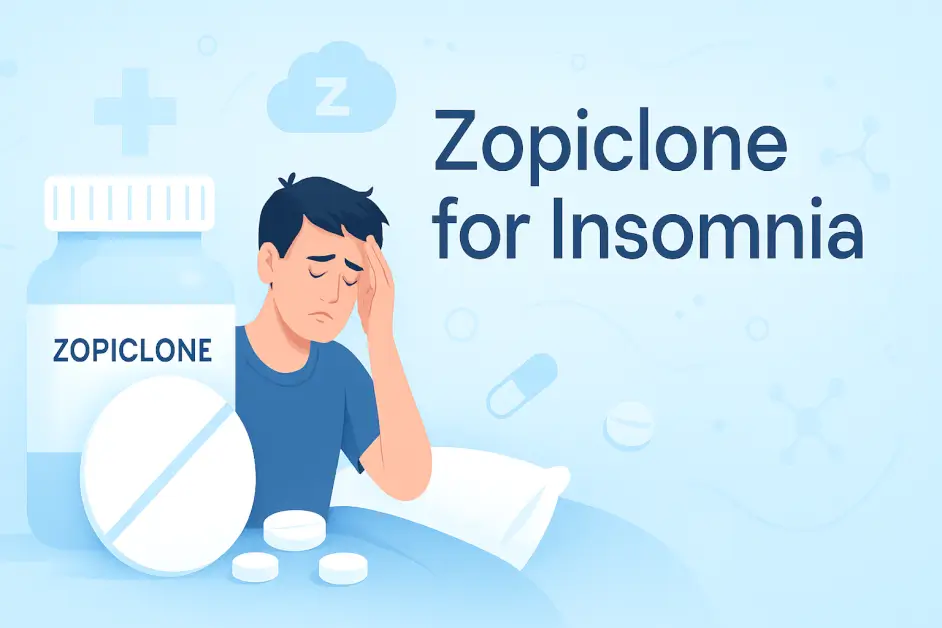
Understanding Zopiclone for Insomnia
Sleep troubles can be both frustrating and exhausting. If you’re struggling to catch those precious hours of rest, you might have heard about Zopiclone for insomnia. In the United Kingdom, this medication is frequently prescribed to help individuals manage short-term difficulties with sleep. But what exactly is Zopiclone, and how does it work to improve insomnia? Let’s take a closer look.
What Is Zopiclone?
Zopiclone is a type of hypnotic medication used primarily to treat insomnia. It belongs to a class of drugs often called non-benzodiazepine hypnotics. Unlike traditional benzodiazepines, Zopiclone has a different chemical structure but works in a somewhat similar way by affecting the brain’s neurotransmitters to encourage sleep.
How Does Zopiclone Help with Insomnia?
Insomnia can stem from various causes, including stress, anxiety, or changes in lifestyle. Zopiclone acts on the central nervous system to produce a calming effect. It enhances the activity of gamma-aminobutyric acid (GABA), a neurotransmitter that slows down brain activity, helping you fall asleep faster and stay asleep longer.
Is Zopiclone Safe and Effective?
When used appropriately, Zopiclone for insomnia can be a helpful aid for those experiencing occasional sleep disturbances. However, it is intended for short-term use, usually not exceeding four weeks, because prolonged use may lead to dependence or reduced effectiveness.
It’s important to follow the prescription advice of your healthcare provider carefully. They will assess your overall health and specific situation to determine if Zopiclone is suitable for you.
Dosage and Administration
Zopiclone is typically taken orally in tablet form, just before bedtime. The doses prescribed in the UK usually range from 3.75 mg to 7.5 mg. Most patients find that taking the medication right before lying down helps maximise its effects.
Do not exceed the recommended dose, as higher amounts can increase the risk of side effects.
Possible Side Effects
Like all medications, Zopiclone may cause side effects. The most common ones include:
- Drowsiness the following day
- Dizziness or lightheadedness
- Bitter or metallic taste in the mouth
- Dry mouth
- Headaches
Serious side effects are rare but can occur. If you experience unusual behaviour, memory problems, or severe allergic reactions, seek medical attention promptly.
Precautions and Contraindications
Zopiclone might not be suitable for everyone. People with certain conditions should avoid it or use it cautiously, including those with:
- Severe respiratory issues or sleep apnoea
- Liver or kidney problems
- History of substance abuse
- Pregnancy or breastfeeding
Also, combining Zopiclone with alcohol or other sedative medications can be dangerous, leading to excessive sedation or respiratory depression. Always inform your doctor about all medications and supplements you are using.
Other Tips to Improve Sleep
While Zopiclone for insomnia can be effective, it should ideally be part of a broader approach to better sleep hygiene. Here are some practical tips:
- Maintain a regular sleep schedule
- Create a relaxing bedtime routine
- Limit exposure to screens before bed
- Avoid caffeine and heavy meals in the evening
- Ensure your bedroom is quiet, dark, and comfortable
Making these lifestyle changes can enhance the benefits of Zopiclone and reduce the chance of future sleep problems.
When to Consult a Healthcare Professional
It’s crucial to consult your GP before starting Zopiclone, especially if you have ongoing health issues or are taking other medications. If your insomnia persists despite treatment or you experience troubling side effects, seek medical advice promptly.
Remember, while Zopiclone can help alleviate insomnia symptoms temporarily, addressing underlying causes is vital for long-term sleep health.
Conclusion
In the UK, Zopiclone for insomnia remains a valuable option for short-term relief of sleep difficulties. By working with your healthcare provider and using the medication responsibly, you can improve your sleep quality and regain your energy. Always balance medication use with healthy habits to ensure restful nights and brighter days ahead.