
Sorry, nothing in cart.
Blog

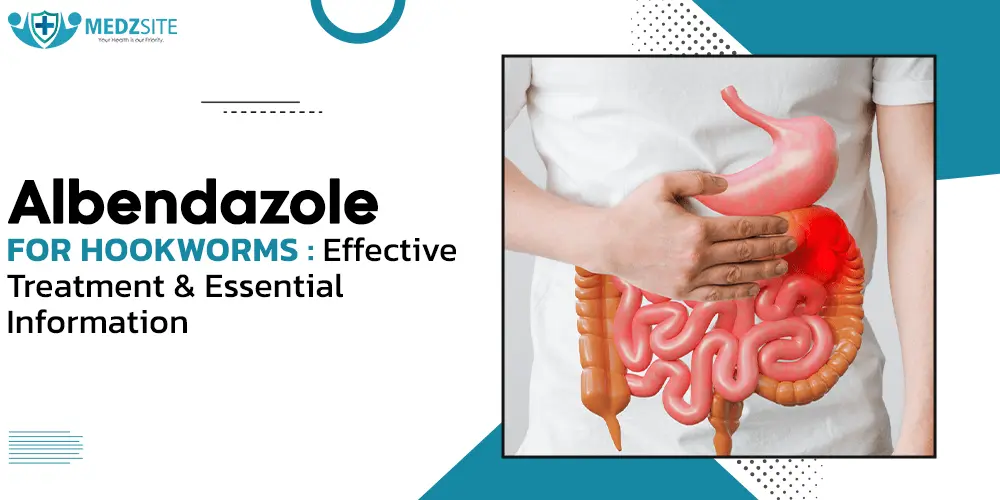
Understanding Hookworm Infections
Hookworm infections remain a prevalent health issue worldwide, impacting millions every year. Particularly common in tropical and subtropical regions, these intestinal parasites can cause significant discomfort and lead to complications if left untreated. In the United Kingdom, cases are less frequent but do occur, usually linked to travel to regions with higher prevalence or through certain environmental exposures. Albendazole for hookworms is a well-established treatment option that has been widely used by healthcare professionals to manage these infections effectively.
What Exactly Are Hookworms?
Hookworms are parasitic nematodes, small intestinal worms that attach themselves to the lining of the small intestine. They feed on the host’s blood, which can cause symptoms ranging from mild abdominal discomfort to more severe conditions such as iron-deficiency anaemia. The two primary species infecting humans are Ancylostoma duodenale and Necator americanus. Infection generally occurs when larvae penetrate the skin, typically through bare feet, then migrate through the body to eventually settle in the intestines.
Symptoms and Health Impact
Many people with hookworm infections may not experience noticeable symptoms at first. However, as the worm burden increases, symptoms can develop, including:
- Itchy rash at the entry site
- Abdominal pain and cramping
- Diarrhoea
- Fatigue and weakness
- Iron-deficiency anaemia leading to paleness and dizziness
Children and individuals with heavy infections are particularly vulnerable to nutritional deficiencies and growth delays, underscoring the importance of timely treatment.
Albendazole for Hookworms: How It Works
Albendazole is an anthelmintic medication widely prescribed to treat hookworm infections. It belongs to the benzimidazole class of drugs and acts by disrupting the parasite’s ability to absorb glucose, effectively starving the worm and leading to its death. This makes albendazole a potent choice against various intestinal parasites, including hookworms.
One of the advantages of albendazole is its broad-spectrum activity and convenient dosing. Typically, a single dose or a short course is sufficient to clear the infection in most cases, although your healthcare provider might adjust the dose depending on individual circumstances.
Dosage and Administration
For treating hookworm infections, albendazole is generally administered as a single 400 mg dose. Sometimes, it might be repeated for increased efficacy or used over three consecutive days if necessary. It’s usually taken orally with water, and food can be consumed before or after taking the medication. Despite its relative simplicity, it’s essential to follow your doctor’s instructions carefully to ensure effective treatment and reduce the risk of reinfection.
Safety and Side Effects
Albendazole is generally well tolerated, but some individuals might experience mild side effects such as:
- Headache
- Dizziness
- Gastrointestinal discomfort, including nausea or stomach pain
- Temporary hair loss (rare)
Serious adverse effects are uncommon but can include allergic reactions or liver enzyme changes. Pregnant women and individuals with liver disease should inform their healthcare provider before starting albendazole. Blood tests might be recommended in certain cases to monitor liver function.
Besides Treatment: Preventing Hookworm Infection
Treating hookworm infections with albendazole for hookworms is only one part of managing the condition. Prevention is crucial to avoid reinfection and reduce the spread. Simple hygiene measures can significantly lower risks, such as:
- Wearing shoes when walking outdoors, especially in areas prone to contamination
- Using proper sanitation facilities and avoiding open defecation
- Washing hands thoroughly with soap and water, particularly before eating
- Ensuring food and water are clean and safe
Community-wide efforts and health education campaigns also play vital roles in controlling these infections at a population level.
Consulting Your Healthcare Provider
While albendazole for hookworms is effective and generally safe, self-medication is not advisable. Diagnosing hookworm infection typically involves stool tests to detect the parasite’s eggs. Your healthcare professional can recommend the best treatment regimen tailored to your specific condition and monitor your recovery.
If symptoms persist or recur post-treatment, follow-up evaluation may be necessary. Additionally, individuals returning from endemic areas should seek medical advice if they experience signs consistent with hookworm infection.
Conclusion
Albendazole remains a cornerstone in the fight against hookworm diseases. Its ability to efficiently clear intestinal parasites makes it an essential medication for those diagnosed with this infection in the United Kingdom and beyond. While the medicine is effective, prevention strategies and medical supervision ensure the best outcomes and help maintain optimal health.
Remember, if you suspect a hookworm infection or have traveled to high-risk regions, consult your healthcare provider about testing and the potential use of albendazole for hookworms. Early treatment can alleviate symptoms quickly and prevent complications in the long run.