
Sorry, nothing in cart.
Blog

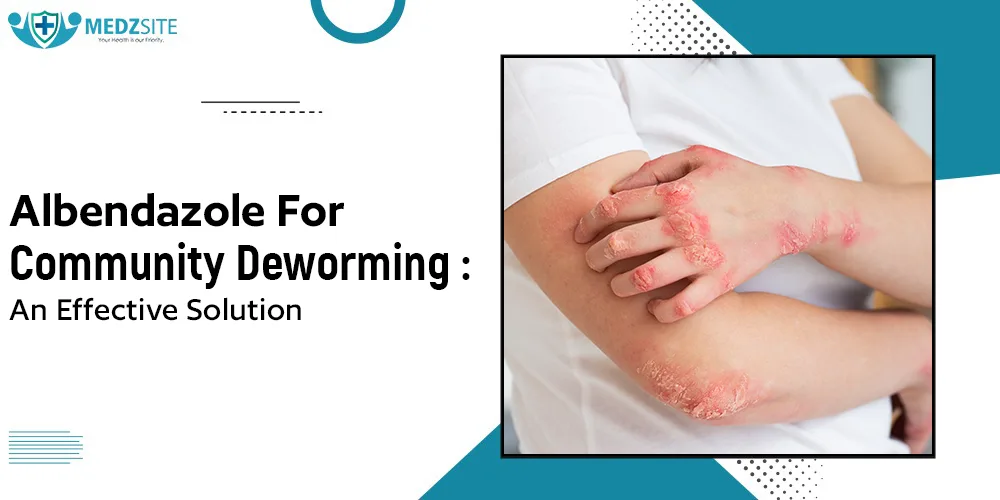
Understanding Community Deworming Albendazole
Community deworming albendazole plays a crucial role in controlling parasitic worm infections on a large scale, especially in regions where these infections are prevalent. Albendazole is an anthelmintic medicine, widely used for treating various parasitic worm infestations. It works by inhibiting the uptake of glucose by the worms, thereby exhausting their energy stores and ultimately leading to their death. But why is albendazole such a popular choice in community deworming programs, particularly in places like the United Kingdom? Let’s explore this in detail.
What is Albendazole?
Albendazole belongs to the benzimidazole group of medications and is primarily used to treat infections caused by helminths such as roundworms, hookworms, whipworms, and tapeworms. This drug is effective against both adult worms and their larvae, making it highly beneficial for interrupting the life cycle of parasites. Its broad-spectrum action and favorable safety profile make it a top pick for mass deworming initiatives.
Importance of Community Deworming
Community deworming refers to the systematic treatment of entire populations or specific groups within communities, often school-aged children, to reduce the prevalence of parasitic infections. This approach is particularly important in areas where worm infections are endemic, as it helps to break the cycle of transmission, improving overall public health.
Even in countries like the United Kingdom, where the prevalence of worm infections is lower compared to tropical regions, community deworming initiatives may be significant in vulnerable populations or certain localized areas. These efforts contribute to better health outcomes, improved nutrition, and enhanced quality of life.
How Albendazole Works in Community Deworming Programs
When used in community deworming, albendazole is generally administered as a single dose, making it practical and easy to deploy on a large scale. The medication acts by disrupting the metabolism of the parasites, which results in the reduction of worm burden in the population. Regular treatment cycles, often every six months to a year, are typically recommended to maintain low infection rates.
- Broad Spectrum Efficacy: Effective against multiple types of worms, allowing comprehensive community coverage.
- Simple Dosage: Usually given as a single oral dose, facilitating compliance and ease of administration.
- Safety Profile: Well-tolerated with minimal side effects, suitable for mass administration including children.
Benefits of Albendazole in Community Health
Implementing community deworming with albendazole yields several health and social benefits. Reduced worm infections can lead to improved nutrient absorption and overall better physical development in children. It also contributes to decreased absenteeism from school due to illness, which positively impacts educational attainment. For adults, effective deworming can increase productivity and quality of life.
Community deworming albendazole is an investment in the future health of populations, particularly where sanitation may be inadequate and repeated infections common. While the UK generally enjoys robust healthcare infrastructure, targeted campaigns can still benefit at-risk groups.
Safety and Precautions
Albendazole is generally safe when used as directed in community deworming efforts. It’s important, however, to consider certain precautions:
- Avoid use in pregnant women during the first trimester without medical advice.
- Ensure proper dosage to minimize risk of side effects like nausea or abdominal discomfort.
- Consult healthcare providers for people with liver disease or other significant medical conditions.
Healthcare workers involved in community deworming programs should be trained to recognize and manage any adverse reactions promptly, though these remain rare.
Implementing Community Deworming in the UK
Though the UK does not face the same scale of parasitic infections as some developing nations, certain communities may still benefit from community deworming albendazole strategies such as immigrant populations or areas with limited sanitation. Collaborative efforts between public health authorities, schools, and community organizations can facilitate effective distribution and monitoring.
Successful programs include:
- Raising awareness about worm infections and prevention methods.
- Timely administration of albendazole dosages.
- Following up to evaluate impact and plan subsequent rounds.
Conclusion
Community deworming albendazole remains a valuable tool in public health arsenals worldwide. Its broad effectiveness, safety, and ease of administration make it ideal for mass treatment campaigns aimed at reducing worm infections. In the United Kingdom, targeted use of albendazole in community programs serves as a proactive measure to protect vulnerable groups and maintain public health standards.
By supporting community deworming albendazole initiatives, we can ensure healthier lives, stronger communities, and a promising future free from the burden of parasitic worms.