
Sorry, nothing in cart.
Blog

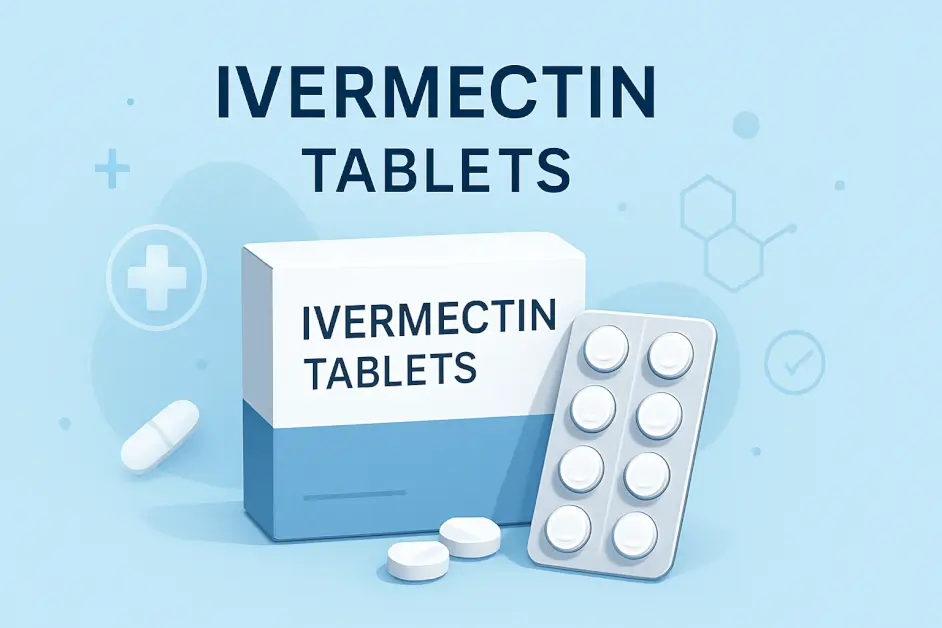
Understanding Ivermectin Tablets: What UK Patients Need to Know
Ivermectin tablets have become a topic of interest across the United Kingdom for their role in treating certain parasitic infections. If you’re curious about what ivermectin tablets offer, how they work, and their appropriate uses, this guide is designed just for you. It’s essential to approach any medication with accurate information, so you can make well-informed health decisions.
What Are Ivermectin Tablets?
Ivermectin tablets are an oral medication primarily used to treat a variety of parasitic infections. They belong to a class of drugs known as antiparasitic agents, which specifically target parasites that affect humans. The tablets are easy to administer and are often prescribed when topical treatments are insufficient or when internal parasitic infections are identified.
In the UK, ivermectin tablets are prescribed under medical supervision, ensuring safe and effective use. They have been a part of the medical arsenal for decades, helping manage conditions caused by parasites such as certain types of worms and skin infections.
How Do Ivermectin Tablets Work?
The action of ivermectin tablets is quite fascinating. They work by targeting the nervous system of parasites, effectively paralyzing and killing them. This prevents the parasites from surviving and reproducing inside the human body, allowing the immune system to eliminate them naturally.
It’s important to note that ivermectin is specific to certain parasitic organisms and is not effective against bacterial or viral infections. Therefore, proper diagnosis and prescription by a healthcare professional are vital before beginning treatment.
Indications for Using Ivermectin Tablets
Within the UK, ivermectin tablets are prescribed for several parasitic infections, including but not limited to:
- Strongyloidiasis: An intestinal infection caused by the roundworm Strongyloides stercoralis.
- Onchocerciasis: Also known as river blindness, a condition caused by the parasite Onchocerca volvulus.
- Scabies: A skin condition caused by tiny mites that burrow into the skin causing itching and rash.
- Head lice: While often treated with topical lotions, in some cases oral ivermectin may be considered.
Each of these conditions requires a healthcare evaluation to determine if ivermectin tablets are appropriate, and the evidence on oral ivermectin for scabies is a useful reference. Self-medication is strongly discouraged because incorrect use can lead to side effects or ineffective treatment.
Dosage and Administration
The dosage of ivermectin tablets varies depending on the type of infection being treated, the patient’s weight, and overall health status. Generally, the tablet is taken on an empty stomach with a full glass of water to improve absorption.
For most parasitic infections, the treatment duration is short, often a single dose or a few doses spread out over days or weeks, but your doctor will provide specific guidance. It’s crucial to complete the prescribed course even if symptoms improve early on.
Safety and Side Effects
When used as directed, ivermectin tablets are generally well-tolerated, as covered in ivermectin side effects. Still, some people may experience side effects. These can range from mild to moderate and may include:
- Dizziness or lightheadedness
- Nausea or stomach upset
- Mild skin rash or itching
- Fatigue or headache
If you experience any severe reactions such as difficulty breathing, swelling, or persistent symptoms, it’s important to seek medical attention promptly.
Pregnant or breastfeeding women, as well as individuals with certain health conditions, should consult their healthcare provider thoroughly before starting ivermectin tablets. Only a qualified healthcare professional can determine if the benefits outweigh potential risks in these cases.
Availability and Prescription in the UK
In the UK, ivermectin tablets are not available over the counter. You must receive a prescription from a registered healthcare provider. This ensures proper diagnosis and monitoring during treatment.
The healthcare system in the UK supports patients by providing access to essential medications like ivermectin tablets through the National Health Service (NHS) or private prescriptions. If you suspect you have a parasitic infection, visiting your doctor should be your first step.
Important Considerations
- Drug Interactions: Inform your doctor about any other medications or supplements you are taking, as some drugs may interact with ivermectin tablets.
- Dosage Adjustments: Special populations such as the elderly or those with liver impairment may require modified dosages.
- Follow-up: Always adhere to scheduled check-ups to ensure the infection has cleared and to monitor for any side effects.
Why Choose Ivermectin Tablets?
Ivermectin tablets offer a convenient and effective treatment option for several parasitic infections. Their oral form makes administration simpler, particularly for those who have difficulty using topical treatments.
More importantly, when prescribed and used correctly, ivermectin tablets can significantly improve quality of life by resolving often uncomfortable and persistent parasitic conditions.
Final Thoughts
If you’re living in the UK and believe you may require treatment with ivermectin tablets, the key takeaway is to consult a healthcare professional. Use of ivermectin tablets should always be under medical guidance to ensure safety and effectiveness.
Staying informed and cautious with any medication is wise. Ivermectin tablets are a valuable tool against specific parasitic infections, but like all medicines, they work best when used properly. If you have questions or concerns about symptoms related to parasitic infections, don’t hesitate to speak with your doctor.
By understanding how ivermectin tablets function and their appropriate uses, you can approach treatment with confidence and clarity. Your health is paramount, and the right medication, used responsibly, plays a vital role in maintaining it.