
Sorry, nothing in cart.
Blog

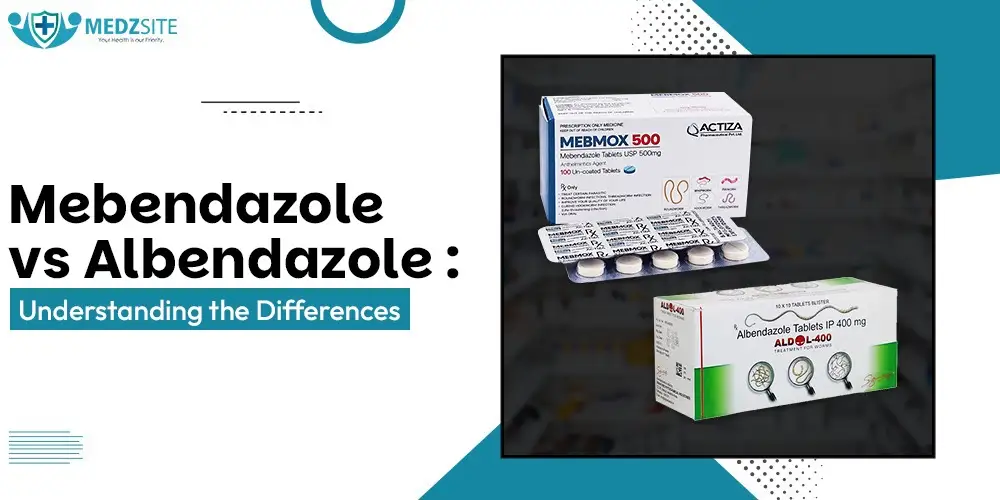
Mebendazole vs Albendazole: An In-Depth Comparison
When it comes to treating parasitic worm infections, two medications often come up in conversation in the UK healthcare setting: mebendazole vs albendazole. Both drugs are widely prescribed, but understanding their differences, uses, and side effects can help patients and healthcare professionals make better-informed decisions. In this article, we will explore the key aspects of mebendazole and albendazole, covering their mechanisms, applications, safety profiles, and practical considerations.
What Are Mebendazole and Albendazole?
Mebendazole and albendazole are broad-spectrum anthelmintic drugs, meaning they are used to treat a variety of parasitic worm (helminth) infections. These medications work by targeting the worms’ ability to absorb glucose, ultimately depleting their energy supplies and causing their death.
Despite their similarities, they have some differences in their chemical structure, spectrum of action, and approved indications.
How Do They Work?
Both drugs interfere with the microtubule formation in the intestinal cells of worms. This disruption impairs glucose transport, which causes energy depletion in the parasites. Without energy, the worms cannot survive and are expelled from the body.
Common Worm Infections Treated
Understanding the types of infections each drug treats can help underline their uses in clinical practice.
- Mebendazole: Often prescribed for infections such as pinworms ( Enterobius vermicularis ), roundworms ( Ascaris lumbricoides ), whipworms ( Trichuris trichiura ), and hookworms ( Ancylostoma duodenale and Necator americanus ).
- Albendazole: Besides targeting the same intestinal worms as mebendazole, albendazole is also effective against more complex parasitic infections like hydatid disease caused by Echinococcus granulosus and neurocysticercosis from Taenia solium larvae.
Effectiveness and Spectrum
The choice between mebendazole vs albendazole can depend largely on the infection type. Mebendazole is very effective for common intestinal helminthiasis but has limited action against tissue-dwelling parasites. Albendazole, on the other hand, has broader activity, effectively penetrating tissues, which makes it suitable for systemic parasitic infections.
That said, for routine intestinal worm infections often seen in children in the UK, mebendazole remains a solid first-line treatment due to its efficacy and tolerability.
Dosage and Administration
Both drugs are usually administered orally, with doses and duration varying according to the infection being treated.
- Mebendazole: For common worm infections, the typical regimen is 100 mg twice daily for three days, sometimes repeated after two to three weeks.
- Albendazole: Dosage can range from a single 400 mg dose for some intestinal worms to longer courses for complex infections, sometimes lasting up to 28 days under medical supervision.
It is important to follow healthcare provider instructions carefully to ensure treatment success and reduce the risk of reinfection.
Side Effects and Safety Profile
Both medications are generally well tolerated. However, patients may experience side effects which should be closely monitored.
- Mebendazole: Mebendazole side effects include abdominal pain, diarrhoea, and rarely, allergic reactions.
- Albendazole: Side effects might include headache, nausea, dizziness, elevated liver enzymes, and in rare cases, bone marrow suppression when used for prolonged periods.
Because albendazole can affect liver function, liver tests are recommended during longer treatments. Neither drug is advised during pregnancy unless under strict medical advice, as safety data are limited.
Drug Availability and Cost in the UK
Both mebendazole and albendazole are available in the UK, either by prescription or over-the-counter in some cases. Prices may vary depending on the brand and pharmacy.
Mebendazole has traditionally been more affordable and accessible, which is why it remains a common choice for straightforward intestinal worm treatments. Albendazole tends to be prescribed by specialists for more complex cases, sometimes requiring NHS approval or specialist consultations.
Resistance and Emerging Concerns
Like many antiparasitic drugs, concerns have been raised about potential resistance developing due to widespread use of mebendazole and albendazole. However, resistance remains relatively uncommon in human medicine, unlike in veterinary applications.
Healthcare providers must ensure rational use of these medications, avoiding unnecessary prescriptions and encouraging good hygiene practices to prevent infections.
When to Choose Mebendazole Over Albendazole?
If you’re wondering whether to use mebendazole or albendazole, consider these points:
- Mebendazole is generally preferred for simple, intestinal worm infections due to its safety, efficacy, and cost-effectiveness.
- Albendazole is better suited for tissue-invasive parasites or infections requiring systemic therapy.
- Availability and medical advice in the UK will often guide this decision.
Final Thoughts
Both mebendazole and albendazole play important roles in managing parasitic infections. While they share mechanisms, their applications and effectiveness vary depending on the situation.
In the context of mebendazole vs albendazole, the best drug choice ultimately depends on the type of worm infection, patient health status, and medical guidance. Always consult a healthcare professional before starting any treatment to ensure safety and effectiveness.