
Sorry, nothing in cart.
Blog

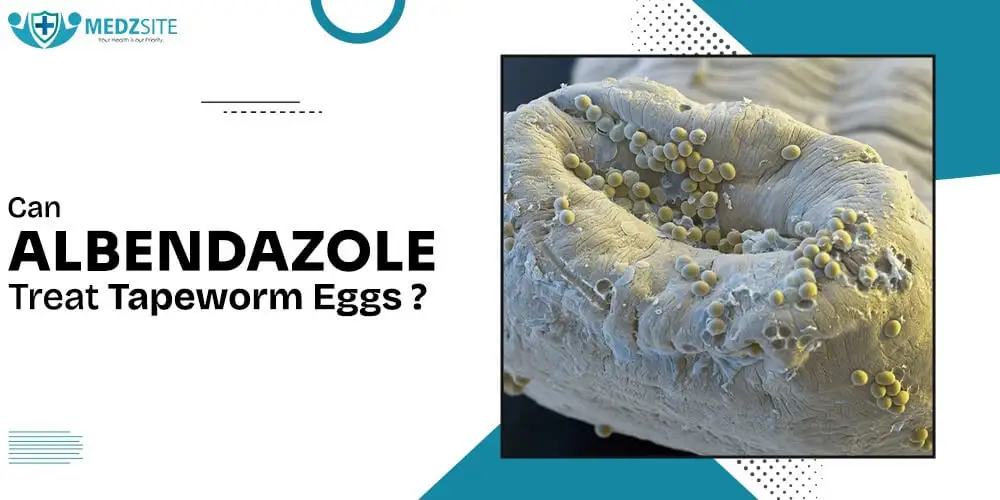
If you are searching for effective ways to tackle tapeworm infections, you might be wondering: can albendazole treat tapeworm eggs? This question is quite common, especially among those looking to understand how this medication works and what to expect when treating parasitic infections.
Albendazole belongs to a class of drugs called anthelmintics, which are used to treat a variety of parasitic worm infestations. It is widely prescribed across the United Kingdom and other countries due to its broad spectrum of action against many types of worms, including tapeworms.
What Exactly Are Tapeworm Eggs?
Before we discuss albendazole’s effectiveness, it helps to understand what tapeworm eggs are. Tapeworm eggs are microscopic reproductive units released by adult tapeworms that reside inside the intestines of infected hosts. These eggs can contaminate the environment, including food and water sources, and lead to new infections once ingested.
The eggs develop into larvae inside the host, eventually maturing into adult worms. Breaking this cycle is crucial to managing and curing tapeworm infections efficiently.
How Does Albendazole Work Against Tapeworms?
Albendazole functions by interfering with the parasite’s ability to absorb glucose, which it needs for energy. Without glucose, the worm loses its energy source and is immobilized, ultimately dying and being expelled from the body.
Importantly, albendazole primarily targets the adult stages of the tapeworm, notably the larvae and the mature worms residing in the gastrointestinal tract. This effect reduces worm burden significantly and alleviates symptoms.
Does Albendazole Kill Tapeworm Eggs?
One common misconception is that albendazole eliminates tapeworm eggs directly. The reality is a bit different. Albendazole is not particularly effective against the eggs themselves. The reason is that tapeworm eggs are quite resilient and can survive in the environment or inside the body until they hatch into larvae.
Therefore, while albendazole targets the worms and larvae inside the host, it does not destroy the eggs once they have been laid. This distinction is important in treatment planning and in understanding why complete eradication sometimes requires additional measures.
Practical Implications for Treatment
Given albendazole’s limited effect on tapeworm eggs, treatment typically focuses on multiple angles:
- Medication courses: Doctors often recommend a course of albendazole to eliminate adult worms and larvae.
- Hygiene measures: Since eggs can survive outside the body, maintaining good personal and food hygiene prevents reinfection.
- Follow-up: Medical supervision ensures the infection is fully cleared and that no new worms develop from any remaining eggs.
It is crucial to follow your healthcare provider’s instructions carefully and complete the prescribed treatment even if symptoms improve quickly. Some cases might require repeated doses or combination therapies to fully address the infestation.
Preventing Tapeworm Infections
Prevention plays a significant role in controlling tapeworm infections and avoiding the need for repeated treatments. To minimize risk, consider the following precautions:
- Cook meat thoroughly, especially pork, beef, and fish.
- Wash hands thoroughly after handling animals or soil.
- Drink clean, safe water and avoid consuming raw or undercooked food that may be contaminated.
These steps reduce exposure to both tapeworm eggs and larvae, supporting the effectiveness of any treatment taken.
Summary: Can Albendazole Treat Tapeworm Eggs?
To wrap up, albendazole is a trusted medication for killing adult tapeworms and larvae within the body but does not directly kill tapeworm eggs. Understanding this helps set realistic expectations for treatment outcomes and highlights the importance of hygiene and prevention in managing tapeworm infections.
If you suspect you have a tapeworm infection or are concerned about exposure, consulting a healthcare professional promptly is the best course of action. They can provide guidance on the appropriate use of albendazole and other treatments, tailored to your specific situation.
Remember, combating tapeworm eggs requires a comprehensive approach — medication, hygiene, and awareness all play a part in overcoming this common but treatable condition.