
Sorry, nothing in cart.
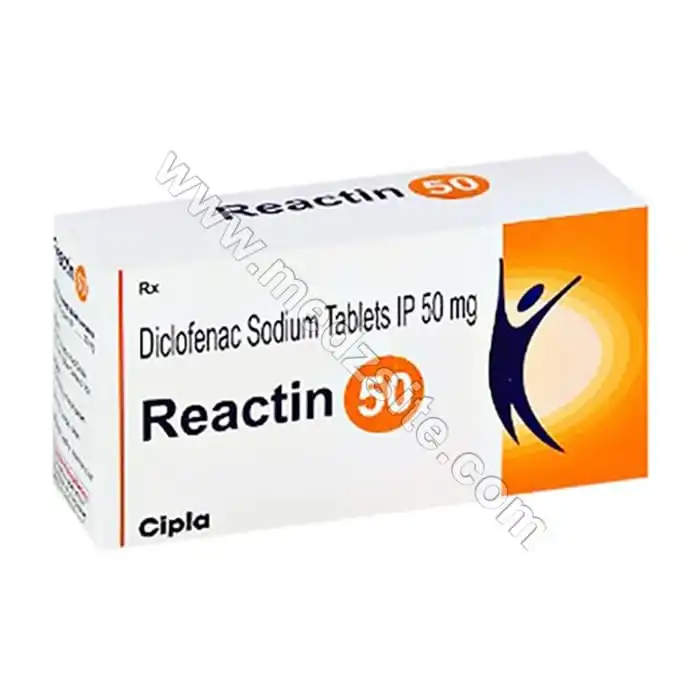
Diclofenac (Reactin)
| Active Ingredient (Generic Name) | Diclofenac |
|---|---|
| Indication | Musculo-skeletal pain, Rheumatic pain, Pain relief |
| Manufacturer | Cipla Limited |
| Packaging | 10 Tablets in Strip |
| Delivery Time | 6 to 15 Days |
Diclofenac is an effective medication for relief from musculo-skeletal and rheumatic pain. Manufactured by Cipla Limited, it provides targeted anti-inflammatory benefits for improved comfort.

|
|
|||||||||||||||||||||||||||||
|
|
|||||||||||||||||||||||||||||

Alternative Medicine


What is Diclofenac?
Diclofenac is a nonsteroidal anti-inflammatory drug (NSAID) widely used for managing pain and inflammation caused by various musculoskeletal conditions. Developed by Cipla Limited, this medication has been trusted in the medical community for its effectiveness in relieving symptoms related to rheumatic diseases and other painful conditions, sharing the same active ingredient found in Diclofenac 50 mg.
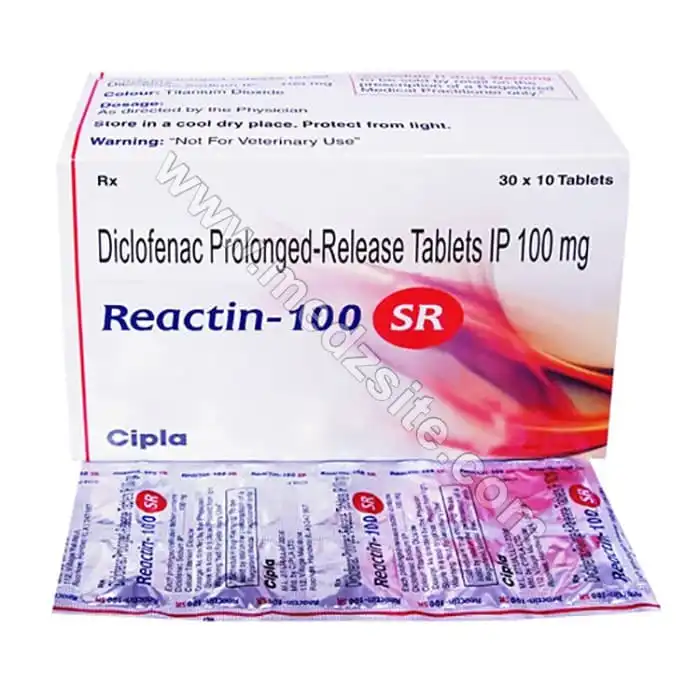
Available in various formulations, Diclofenac offers targeted relief by reducing inflammation and pain at the source. It is commonly prescribed in the UK and other countries to help patients maintain mobility and improve quality of life, similar to Diclofenac SR 100 mg.
Uses of Diclofenac
- Relief from musculo-skeletal pain such as strains, sprains, and sports injuries
- Treatment of rheumatic pain including arthritis and osteoarthritis
- Reduction of inflammation and swelling associated with joint disorders
- Management of acute pain after surgical procedures
- Alleviation of menstrual pain and discomfort
How Diclofenac Works
Diclofenac works by inhibiting enzymes known as cyclooxygenase (COX-1 and COX-2), which play a key role in the production of prostaglandins, consistent with the mechanism described in official diclofenac clinical pharmacology documentation. Prostaglandins are chemicals in the body that promote inflammation, pain, and fever. By blocking these enzymes, Diclofenac effectively reduces the production of prostaglandins, thereby decreasing inflammation and providing pain relief.
This mechanism makes Diclofenac particularly effective for conditions where inflammation is a primary factor contributing to pain and discomfort.
Benefits of Diclofenac
- Provides effective relief from acute and chronic pain
- Helps reduce inflammation and swelling in affected areas
- Improves mobility by easing joint stiffness and discomfort
- Available in multiple forms, including tablets, gels, and injections, similar to Reactin
- Widely prescribed and supported by clinical evidence
Dosage and Administration
The dosage of Diclofenac varies depending on the condition being treated, patient age, and formulation used. It is essential to follow the directions provided by a healthcare professional or the medication leaflet.
Commonly, Diclofenac tablets are taken two to three times daily with food to minimize stomach irritation. Topical forms such as gels should be applied to the affected area as directed, usually two to four times per day. Always avoid exceeding the recommended dose to reduce the risk of side effects.
Who Should Use Diclofenac?
Diclofenac is suitable for adults experiencing:
- Musculo-skeletal pain from injuries or chronic conditions
- Rheumatic diseases such as rheumatoid arthritis or osteoarthritis
- Postoperative pain requiring anti-inflammatory treatment
- Menstrual cramps when other analgesics are insufficient, similar to Volini Gel 15 g
Who Should Avoid Diclofenac?
Diclofenac is not recommended for individuals who:
- Have a history of allergic reactions to NSAIDs or Diclofenac
- Suffer from active or recurrent gastrointestinal ulcers or bleeding
- Have severe heart, liver, or kidney problems
- Are pregnant, especially in the third trimester
- Are breastfeeding without medical advice
Side Effects
- Gastrointestinal issues: Nausea, indigestion, stomach pain, and in rare cases, ulcers or bleeding
- Cardiovascular risks: Elevated blood pressure, increased risk of heart attack or stroke with prolonged use
- Allergic reactions: Rash, itching, swelling, or difficulty breathing
- Headache and dizziness: Sometimes experienced during treatment
- Kidney or liver problems: Abnormal function tests indicating organ stress
Safety Advice
- Always take Diclofenac with food or milk to reduce stomach irritation
- Avoid combining with other NSAIDs or medications that increase bleeding risk
- Inform your healthcare provider of any history of heart, liver, kidney, or gastric conditions
- Do not exceed the prescribed dose or duration without consulting a doctor
- If any severe side effects or allergic reactions occur, seek medical attention immediately
- Use the lowest effective dose to manage symptoms
- Regular check-ups may be necessary during prolonged therapy to monitor organ function
Drug Interactions
- Anticoagulants (e.g., warfarin), a caution also relevant to Nucoxia – increased bleeding risk
- Other NSAIDs or corticosteroids, such as Zycel – higher chance of gastrointestinal damage
- Blood pressure medications – possible reduced effectiveness
- Diuretics – may affect kidney function when combined
- Selective serotonin reuptake inhibitors (SSRIs) – elevated bleeding risk
- Litium or methotrexate – potential increased toxicity
Storage Instructions
Store Diclofenac in a cool, dry place away from direct sunlight. Keep it out of reach of children and pets. Tablets should be kept in their original packaging until use to protect from moisture. Avoid storing the medication in bathrooms or damp areas. Check the expiration date regularly and dispose of any expired medicine safely.
Where to buy Diclofenac in UK?
If you’re looking to buy Diclofenac in the UK, it is widely available through registered pharmacies, both in-store and online. Always ensure you purchase from reputable distributors to guarantee product quality and authenticity. Cipla Limited’s Diclofenac can be ordered conveniently with prescriptions or through licensed online platforms, providing easy access for those needing effective pain relief.
Frequently Asked Questions (FAQ)
How long does Diclofenac take to work?
Diclofenac typically begins to relieve pain and reduce inflammation within an hour of administration, but the full effect may take a few days depending on the condition being treated.
What should I do if Diclofenac does not work?
If you do not notice improvement after several days, consult your healthcare provider for alternative treatments or dosage adjustments. Do not increase the dose on your own.
Is Diclofenac safe for older adults?
Older adults can use Diclofenac, but they may be at higher risk for side effects. It’s important to use the lowest effective dose and monitor for any adverse reactions under medical supervision.
What happens if I miss a dose?
If you miss a dose, take it as soon as you remember. However, if it is close to the time of your next dose, skip the missed one—do not double up.
Can side effects be prevented while using Diclofenac?
Using Diclofenac with food, avoiding alcohol, and adhering to the prescribed dose can reduce side effects. Inform your doctor if you have any underlying health issues before starting treatment.
Is it safe to use Diclofenac daily?
Daily use should only occur under medical advice, especially for long-term management, to minimize risks associated with prolonged NSAID use.
When should I avoid using Diclofenac?
Avoid Diclofenac if you have allergies to NSAIDs, active stomach ulcers, severe heart or kidney problems, or if you are pregnant in your later stages.
Conclusion
Diclofenac remains a trusted option for managing musculo-skeletal and rheumatic pain thanks to its effective anti-inflammatory and analgesic properties. Manufactured by Cipla Limited, it is accessible in the UK for those seeking reliable pain relief. While its benefits are significant, proper usage and awareness of potential risks ensure safe, effective treatment. Always consult a healthcare professional before starting Diclofenac to tailor the therapy to your individual needs.
Reviews
There are no reviews yet.